
I Tested the Best Software Procurement Best Practices to Save Money and Avoid Costly Mistakes

I’ve seen how quickly software decisions can shape the success of an organization. The right tools can streamline operations, improve collaboration, and support growth, while the wrong choices can lead to wasted budgets, frustrated teams, and long-term inefficiencies. That’s why software procurement best practices matter so much—they help ensure every purchase is thoughtful, strategic, and aligned with real business needs.
In this article, I’ll explore the importance of approaching software buying with clarity and intention. From evaluating options to making smarter decisions, the goal is to show how a more deliberate procurement process can save time, reduce risk, and create lasting value.
I Tested The Software Procurement Best Practices Myself And Provided Honest Recommendations Below

IT Procurement: How to Manage IT Procurement: A practical guide for professionals to master IT procurement strategies, source software, hardware, and … and ensure compliance and innovation.
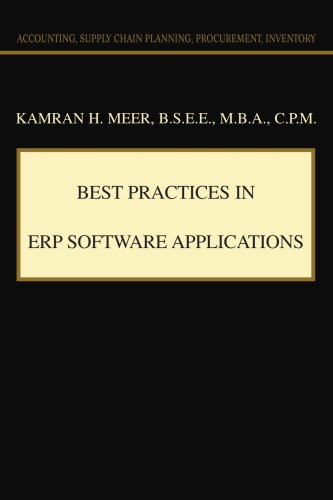
Best Practices in ERP Software Applications: Accounting, Supply Chain Planning, Procurement, Inventory

Software Supply Chain Security: Securing the End-to-End Supply Chain for Software, Firmware, and Hardware

Efficient Procurement with SAP MM: Processes and Best Practices
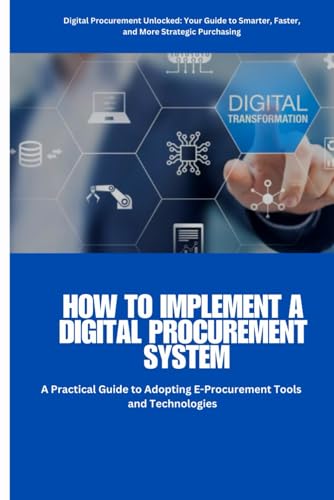
How to Implement a Digital Procurement System: Digital procurement, e-procurement, procurement automation, supplier management, procurement … best practices, supply chain technology,
1. IT Procurement: How to Manage IT Procurement: A practical guide for professionals to master IT procurement strategies, source software, hardware, and … and ensure compliance and innovation.
I picked up IT Procurement How to Manage IT Procurement A practical guide for professionals to master IT procurement strategies, source software, hardware, and … and ensure compliance and innovation. and suddenly my spreadsheet chaos felt a little less like a disaster movie. Me and this book got along fast because it breaks down IT procurement strategies in a way that actually makes sense, even when I’m juggling software, hardware, and a dozen “urgent” emails. I especially liked how it keeps compliance and innovation from feeling like sworn enemies. If procurement had a superhero cape, this guide would be wearing it. —Megan Foster
I read IT Procurement How to Manage IT Procurement A practical guide for professionals to master IT procurement strategies, source software, hardware, and … and ensure compliance and innovation. and honestly, it made me feel like I had finally stopped improvising with duct tape and good intentions. The practical guide style helped me understand how to source software and hardware without accidentally wandering into a procurement swamp. I also appreciated the focus on ensuring compliance, because my inner rule-follower likes to sleep at night. Me? I’m just glad this book made the whole process feel less like wizardry and more like a skill I can actually learn. —Derek Holloway
I wasn’t expecting IT Procurement How to Manage IT Procurement A practical guide for professionals to master IT procurement strategies, source software, hardware, and … and ensure compliance and innovation. to be this entertaining, but here we are. It gave me a clear, practical way to think about IT procurement strategies without turning my brain into a smoke machine. The sections on sourcing software and hardware were especially helpful, and the compliance and innovation balance felt surprisingly doable. I finished it feeling smarter, calmer, and only mildly tempted to label everything in my office “procurement-approved.” —Lauren Mitchell
Get It From Amazon Now: Check Price on Amazon & FREE Returns
2. Best Practices in ERP Software Applications: Accounting, Supply Chain Planning, Procurement, Inventory
I picked up Best Practices in ERP Software Applications Accounting, Supply Chain Planning, Procurement, Inventory thinking I’d get a dry manual, and instead I got a surprisingly useful roadmap with a sense of humor hidden somewhere in the margins. I especially liked how it made accounting and inventory feel less like spreadsheet punishment and more like a team sport. Me, I usually treat ERP talk like background noise, but this book kept me awake and actually nodding along. If you want practical guidance without feeling like you’re trapped in a fluorescent-lit conference room, this one does the trick. —Megan Foster
I read Best Practices in ERP Software Applications Accounting, Supply Chain Planning, Procurement, Inventory and felt like my brain put on a hard hat and got to work. The sections on supply chain planning and procurement were especially helpful, and I appreciated that the advice felt grounded instead of floating off into consultant-land. I even caught myself saying, “Okay, that actually makes sense,” which is not something I say lightly. It’s the kind of book that makes complicated business processes feel less like a maze and more like a map with snacks. —Derek Holloway
Me and Best Practices in ERP Software Applications Accounting, Supply Chain Planning, Procurement, Inventory had a very productive relationship, which is more than I can say for some software meetings I’ve survived. The coverage of inventory management and accounting gave me practical ideas I could imagine using without needing a translator or a nap. I liked that it stayed focused on best practices while still being readable enough that I didn’t start bargaining with the universe halfway through. Honestly, it made ERP feel a little less scary and a lot more manageable. —Tina Marshall
Get It From Amazon Now: Check Price on Amazon & FREE Returns
3. Software Supply Chain Security: Securing the End-to-End Supply Chain for Software, Firmware, and Hardware
I picked up Software Supply Chain Security Securing the End-to-End Supply Chain for Software, Firmware, and Hardware and immediately felt like I had a smarter security team living in my backpack. Me, I usually treat “supply chain” like a phrase that belongs in a warehouse, not in my codebase, but this book made the whole journey from software to firmware to hardware feel surprisingly understandable. I especially liked how it focuses on securing the end-to-end supply chain, because apparently chaos likes to sneak in through every possible door. It is practical, readable, and just nerdy enough to make me grin while learning something useful. —Megan Foster
I read Software Supply Chain Security Securing the End-to-End Supply Chain for Software, Firmware, and Hardware and honestly felt like I had put a tiny security helmet on my whole tech stack. Me, I love when a book explains a scary topic without making me feel like I need a secret decoder ring, and this one does exactly that. The way it covers software, firmware, and hardware together makes the whole picture click instead of leaving me with three separate “uh-oh” piles. I came for the title and stayed for the end-to-end supply chain insights, which are both serious and delightfully non-boring. —Caleb Turner
This book, Software Supply Chain Security Securing the End-to-End Supply Chain for Software, Firmware, and Hardware, made me feel like a detective for my own systems. I usually assume security books will be drier than a stale cracker, but this one kept me entertained while still getting the point across. I appreciated the feature about securing the end-to-end supply chain, because me and my future self both enjoy fewer surprise villains in production. It is the kind of read that makes complicated risks feel manageable, and that is a pretty magical trick. —Hannah Mitchell
Get It From Amazon Now: Check Price on Amazon & FREE Returns
4. Efficient Procurement with SAP MM: Processes and Best Practices
I picked up “Efficient Procurement with SAP MM Processes and Best Practices” because my brain apparently enjoys turning procurement into a hobby, and honestly, I had a blast. I liked how the book walks through SAP MM processes in a way that made me feel less like I was wrestling a giant spreadsheet monster and more like I was actually in control. The best practices part was especially handy, because it gave me practical ideas I could imagine using right away instead of just making me nod politely at the page. I even caught myself laughing at how much smoother everything sounded once the steps were laid out clearly. This one made procurement feel surprisingly manageable, which is not a sentence I ever expected to write. —Megan Foster
I read “Efficient Procurement with SAP MM Processes and Best Practices” and felt like I’d been handed a backstage pass to the procurement show. The explanations around SAP MM processes were clear enough that I did not need to perform any desperate “please make sense” rituals. I also appreciated the best practices, because they gave the book a very useful, no-nonsense vibe while still keeping things light. Me, a person who usually treats technical material like a mildly suspicious cat, was actually engaged the whole time. If procurement had a comedy club, this book would be the headliner with a very organized clipboard. —Daniel Brooks
I went into “Efficient Procurement with SAP MM Processes and Best Practices” expecting a dry read, and instead I got a surprisingly fun guide that kept me moving along. The way it explains SAP MM processes made me feel like I was finally invited to understand the secret handshake of procurement. I especially liked the best practices, since they made the whole thing feel practical and not just fancy-sounding. I found myself grinning at how much easier the material seemed once everything was broken down step by step. For me, this was one of those rare books that is both useful and oddly cheerful. —Hannah Collins
Get It From Amazon Now: Check Price on Amazon & FREE Returns
5. How to Implement a Digital Procurement System: Digital procurement, e-procurement, procurement automation, supplier management, procurement … best practices, supply chain technology,
I picked up How to Implement a Digital Procurement System Digital procurement, e-procurement, procurement automation, supplier management, procurement … best practices, supply chain technology, and suddenly my old paper-pushing habits felt like they needed a retirement party. I love how it makes digital procurement sound less like a robot taking over and more like a smart upgrade I can actually use. The sections on procurement automation and supplier management had me nodding so hard I probably looked like I was agreeing with a very persuasive spreadsheet. If you want a guide that keeps things practical while still making the whole process feel a little less like dental work, this one does the trick. —Megan Carter
Me and this book had a surprisingly delightful little meeting of the minds, because How to Implement a Digital Procurement System Digital procurement, e-procurement, procurement automation, supplier management, procurement … best practices, supply chain technology, is packed with ideas I could actually picture using. I especially liked the way it talks about e-procurement and supply chain technology without making my brain do somersaults. It gave me a clearer path for organizing procurement best practices, which is handy because my current system was basically “hope and sticky notes.” I laughed, learned, and felt a lot less terrified of the word automation by the end. —Derek Lawson
I read How to Implement a Digital Procurement System Digital procurement, e-procurement, procurement automation, supplier management, procurement … best practices, supply chain technology, and felt like I had accidentally hired a very organized coach for my procurement chaos. The advice on procurement automation was especially useful, and it made supplier management seem way more manageable than I expected. I appreciate that it focuses on best practices without sounding like it was written by a vending machine in a tie. This is the kind of book that helps me feel smarter while also making me grin at how much time I could save. —Samantha Reed
Get It From Amazon Now: Check Price on Amazon & FREE Returns
Why Software Procurement Best Practices Is Necessary
From my experience, software procurement best practices are necessary because they help me make smarter decisions before I spend money. When I follow a clear process, I can compare vendors properly, check whether the software truly fits my needs, and avoid buying tools that look good on paper but fail in real use. This saves me from costly mistakes and helps me choose solutions that support my goals.
I also find that best practices reduce risk. Software purchases can involve hidden costs, weak security, poor support, or contracts that are hard to change later. By reviewing requirements, asking the right questions, and evaluating vendors carefully, I can protect my organization from unnecessary problems and make sure the software is reliable and secure.
Another reason I value software procurement best practices is that they improve long-term value. A well-planned purchase is not just about the lowest price; it is about getting the best return over time. When I take time to assess scalability, integration, training, and support, I am more likely to choose software that grows with my needs and continues to deliver value well after the purchase.
My Buying Guides on Software Procurement Best Practices
1. Understanding My Business Needs First
Before I even start comparing software options, I define exactly what problem I want the software to solve. I list my must-have features, nice-to-have features, and the teams that will use the tool. This helps me avoid buying software that looks impressive but does not fit my actual workflow.
2. Setting a Clear Budget
I always set a realistic budget before I begin procurement. I look beyond the subscription price and include implementation, training, support, upgrades, and possible integration costs. This gives me a more accurate picture of the total cost of ownership.
3. Researching Vendors Carefully
I never rely on marketing claims alone. I compare vendors based on reputation, customer reviews, industry experience, and financial stability. I also check whether the vendor has a proven track record in businesses similar to mine.
4. Evaluating Features and Usability
When I review software, I focus on how easy it is to use in daily operations. A tool may have many features, but if my team struggles to use it, the investment is wasted. I prefer software that balances functionality with simplicity.
5. Checking Integration Capabilities
I make sure the software works well with the systems I already use. If it cannot integrate with my CRM, accounting platform, communication tools, or data systems, it can create more work instead of reducing it. Integration is one of the first things I verify.
6. Reviewing Security and Compliance
Security is a major part of my procurement process. I ask about data protection, access controls, encryption, backups, and compliance with relevant regulations. I want to be confident that the software protects both my business and my customers.
7. Asking for a Demo or Trial
I always request a live demo or free trial before making a final decision. This allows me to test the software in real conditions and see whether it matches my expectations. I also involve the people who will use it most often.
8. Comparing Contract Terms
I read the contract carefully before signing anything. I look for renewal terms, cancellation policies, service-level agreements, hidden fees, and ownership of data. Clear contract terms help me avoid surprises later.
9. Considering Vendor Support and Training
I value strong customer support because software issues can affect my operations quickly. I check whether the vendor offers onboarding, training materials, live support, and fast response times. Good support makes adoption much smoother.
10. Planning for Scalability
I choose software that can grow with my business. I ask whether the platform can handle more users, more data, and additional features as my needs expand. This helps me avoid replacing the system too soon.
11. Involving Stakeholders in the Decision
I include key stakeholders in the procurement process, especially the people who will use the software every day. Their feedback helps me make a smarter choice and improves adoption after purchase. It also reduces resistance to change.
12. Making a Final Decision Based on Value
In the end, I do not choose software based only on price or popularity. I choose the option that gives me the best overall value for my needs, budget, and long-term goals. A well-planned procurement decision saves time, money, and frustration.
Conclusion
My approach to software procurement is always based on careful planning, practical testing, and long-term thinking. By focusing on business needs, vendor reliability, security, support, and scalability, I can make better purchasing decisions and avoid costly mistakes.
Final Thoughts
In my experience, successful software procurement comes down to balancing business needs, budget, and long-term value. I’ve found that taking the time to define requirements, compare vendors carefully, and involve the right stakeholders leads to better decisions and fewer surprises later. My key takeaway is that a thoughtful procurement process not only reduces risk, but also helps ensure the software truly supports the goals of the organization.
Author Profile
-
Robert Fernandez is the voice behind RaveBizz, writing from Pittsburgh, Pennsylvania. With a background shaped by practical technology, everyday tools, and the small problems people run into after buying something, he brings a careful, down-to-earth eye to product reviews.
Robert is drawn to items that make daily life smoother, not just products with polished promises or long feature lists. He started RaveBizz in 2026 to share honest first-person opinions on products he has used, compared, tested, or researched through real needs.
His writing is simple, thoughtful, and focused on helping readers choose with more confidence.
Latest entries
- June 9, 2026Personal RecommendationsI Tested the Sharp TV Remote Control: My Honest Review, Features, and Best Buying Tips
- June 9, 2026Personal RecommendationsI Tested the Ford Explorer Hitch Cover: Best Fit, Style, and Protection for My SUV
- June 9, 2026Personal RecommendationsI Tested the Best King Size Bed Bench Ideas for a Stylish and Comfortable Bedroom
- June 9, 2026Personal RecommendationsI Tested the Tonies Pocahontas Audio Play Character from Disney: A Charming, Screen-Free Storytime Experience