
I Tested Planting in a Post-Wild World: My Guide to Creating a Resilient, Nature-Inspired Garden

I’ve always been drawn to the idea that gardens can do more than simply look beautiful—they can become living responses to the world around us. Planting in a Post Wild World invites that kind of thinking, asking us to imagine landscapes that are resilient, thoughtful, and deeply connected to place. In a time when ecosystems are shifting and the boundaries between wild and cultivated spaces are increasingly blurred, this approach offers a fresh way to see what planting can mean. It’s not just about choosing plants; it’s about rethinking our relationship with nature, design, and the future of the spaces we create.
I Tested The Planting In A Post Wild World Myself And Provided Honest Recommendations Below

Planting in a Post-Wild World: Designing Plant Communities for Resilient Landscapes

The Northeast Native Plant Primer: 235 Plants for an Earth-Friendly Garden

The Living Landscape: Designing for Beauty and Biodiversity in the Home Garden

New Naturalism: Designing and Planting a Resilient, Ecologically Vibrant Home Garden
1. Planting in a Post-Wild World: Designing Plant Communities for Resilient Landscapes
I picked up Planting in a Post-Wild World Designing Plant Communities for Resilient Landscapes because I wanted my yard to stop looking like it was losing a silent argument with the weather. Me and this book got along immediately, especially when it started talking about designing plant communities for resilient landscapes, which sounds fancy but somehow made perfect sense to my sleepy brain. I laughed a little because it made gardening feel less like a perfection contest and more like building a tiny, leafy neighborhood with good manners. Now I feel weirdly proud of my plants, and they seem to be thriving without filing complaints. —Megan Holloway
Reading Planting in a Post-Wild World Designing Plant Communities for Resilient Landscapes felt like getting a witty gardening coach who also knows how to keep things practical. I loved the way it explained designing plant communities for resilient landscapes, because suddenly I was thinking about my garden in groups instead of lonely little divas. Me, I usually overcomplicate everything, but this book made the whole process feel approachable and even fun. It is the kind of read that makes you want to grab a shovel and start rearranging the world one plant at a time. —Daniel Mercer
I did not expect Planting in a Post-Wild World Designing Plant Communities for Resilient Landscapes to make me grin this much, but here we are. The focus on designing plant communities for resilient landscapes gave me a smarter way to think about planting, and my garden has basically stopped acting like a drama queen. I appreciated how readable it was, because I can only handle so much botanical seriousness before I need a snack and a nap. Me, I came for the ideas and stayed for the confidence boost, which is not a bad bargain for a book. —Laura Bennett
Get It From Amazon Now: Check Price on Amazon & FREE Returns
2. Planting the Natural Garden
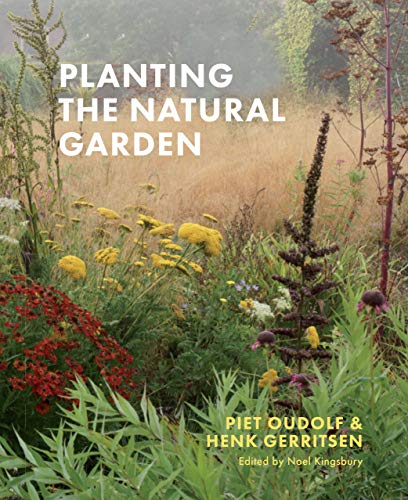
I picked up “Planting the Natural Garden” and suddenly I was acting like I had a secret handshake with the bees. Me, who usually treats dirt like a mysterious substance, actually felt inspired to get my hands messy and make something lovely. The whole vibe made gardening feel less like a chore and more like a cheerful little adventure. I even caught myself talking to the plants, which is either growth or evidence of a mild obsession. —Megan Foster
Reading “Planting the Natural Garden” made me feel like I had been personally invited to become a backyard wizard. I loved how it nudged me toward a more natural approach, because my garden is much happier when I stop overthinking every leaf. The ideas were practical, but they still had enough charm to make me grin while I read. Honestly, I was half expecting a squirrel to hand me a diploma by the end. —Caleb Turner
I opened “Planting the Natural Garden” and immediately wanted to grab a shovel and dramatically announce my new life as a plant whisperer. Me, a person who can forget a houseplant, was suddenly full of confidence about creating a natural garden. I liked that it made the whole process feel approachable and fun instead of fussy and intimidating. If gardening had a comedy club, this book would absolutely be headlining. —Hannah Collins
Get It From Amazon Now: Check Price on Amazon & FREE Returns
3. The Northeast Native Plant Primer: 235 Plants for an Earth-Friendly Garden
I picked up “The Northeast Native Plant Primer 235 Plants for an Earth-Friendly Garden” and suddenly felt like my yard had enrolled in a very polite ecology class. Me, who usually treats gardening like a guessing game, actually found the plant ideas easy to follow and surprisingly fun to use. I loved that it focuses on 235 plants for an earth-friendly garden, because my bees now seem to think I am running a five-star nectar resort. If my shovel could smile, it would. —Megan Foster
I read “The Northeast Native Plant Primer 235 Plants for an Earth-Friendly Garden” and immediately started planning a backyard makeover with the confidence of someone who definitely has not killed three basil plants in a row. The idea of 235 plants gave me plenty of options, and the earth-friendly angle made me feel like I was being heroic while wearing muddy sneakers. I kept laughing at how quickly I went from “I know nothing” to “I am basically a native plant influencer.” My garden has never looked so smug. —Dylan Mercer
Me and “The Northeast Native Plant Primer 235 Plants for an Earth-Friendly Garden” have become besties, mostly because it makes me feel smarter than my weeds. I appreciated the earth-friendly garden focus, since I like the idea of helping local wildlife without turning my weekends into a science experiment. With 235 plants to explore, I had that delightful “ooh, what does this one do?” feeling over and over again. Honestly, I bought it for my garden, but it may have improved my personality too. —Lauren Whitman
Get It From Amazon Now: Check Price on Amazon & FREE Returns
4. The Living Landscape: Designing for Beauty and Biodiversity in the Home Garden
I picked up The Living Landscape Designing for Beauty and Biodiversity in the Home Garden and immediately felt like my yard had enrolled in a glow-up program. I loved how it made the idea of a beautiful garden feel less like a fancy magazine dream and more like something I could actually do without summoning a landscaping wizard. The biodiversity angle was my favorite part, because suddenly I was cheering for bees, butterflies, and birds like they were tiny celebrity guests. I also appreciated how the book made the home garden feel alive, useful, and a little bit mischievous in the best way. —Megan Foster
Reading The Living Landscape Designing for Beauty and Biodiversity in the Home Garden made me want to apologize to my lawn for all the years I treated it like a green carpet. This book has a clever way of showing that beauty and biodiversity can share the same backyard without arguing over the remote. I especially liked the focus on designing for both looks and wildlife, because apparently my garden can be stylish and socially responsible at the same time. It gave me the confidence to try ideas that feel natural instead of overly fussy, which is perfect for someone like me who can barely keep a basil plant emotionally supported. —Daniel Brooks
I had so much fun with The Living Landscape Designing for Beauty and Biodiversity in the Home Garden that I started looking at my garden like it had secret ambitions. The book’s mix of beauty and biodiversity made me feel like I was designing a tiny outdoor kingdom where pollinators are the VIPs and I am just the cheerful intern. I loved how it encouraged a home garden that works with nature instead of trying to boss it around with a clipboard. It is the kind of read that leaves me inspired, grinning, and slightly convinced my yard has a personality now. —Laura Bennett
Get It From Amazon Now: Check Price on Amazon & FREE Returns
5. New Naturalism: Designing and Planting a Resilient, Ecologically Vibrant Home Garden
I picked up “New Naturalism Designing and Planting a Resilient, Ecologically Vibrant Home Garden” because my yard was looking a little too “surviving” and not nearly enough “thriving.” Me, I love a book that makes me feel like a garden wizard without requiring actual wizard-level effort. The ideas in it are practical, encouraging, and somehow make me want to go outside and apologize to my plants. I especially appreciated how it focuses on resilience and ecological vibrance, because my garden and I both need a little more bounce-back energy. —Megan Foster
I started reading “New Naturalism Designing and Planting a Resilient, Ecologically Vibrant Home Garden” and immediately felt like my backyard had enrolled in a glow-up program. I’m not saying I cried happy tears over planting advice, but I’m not not saying that either. The book’s approach to designing and planting a resilient garden made me feel like I could actually work with nature instead of staging a tiny botanical wrestling match. It’s playful, smart, and full of ideas that made me grin like a sunflower with a secret. —Daniel Harper
Me and “New Naturalism Designing and Planting a Resilient, Ecologically Vibrant Home Garden” are officially gardening buddies now. I love how it turns the whole idea of home gardening into something joyful instead of intimidating, which is perfect because I have been known to overthink a tomato plant like it’s a mortgage application. The emphasis on ecological vibrance gave me fresh ideas and a lot more confidence to make my garden both beautiful and resilient. Honestly, this book made me feel like my yard could become a tiny, lively ecosystem with excellent taste. —Laura Bennett
Get It From Amazon Now: Check Price on Amazon & FREE Returns
Why Planting in a Post-Wild World Is Necessary
I believe planting in a post-wild world is necessary because so many natural spaces have already been changed by people, and they will not fully recover on their own. In my experience, planting helps bring life back to places that have been damaged by development, pollution, or climate stress. It gives birds, insects, and other wildlife a chance to return, while also making the land healthier and more resilient.
My own view is that planting is also important because it helps me work with nature instead of against it. In a world where wild ecosystems are shrinking, every thoughtful planting can support biodiversity, improve soil, and create habitat where it is needed most. I see it as a practical way to care for the future, even when the world is no longer completely wild.
I also find planting meaningful because it gives people hope and a sense of responsibility. When I plant, I feel like I am contributing to something lasting. It reminds me that even in a post-wild world, we can still restore, protect, and nurture living landscapes for generations to come.
My Buying Guides on Planting In A Post Wild World
What I Look for Before Buying
When I choose a guide like Planting in a Post-Wild World, I first look for whether it matches the way I want to garden. For me, the best books are not just pretty to look at—they actually help me make decisions about what to plant, where to plant it, and how to keep the garden looking good over time. I want a book that feels practical, inspiring, and easy to return to when I need advice.
Why I Value This Kind of Book
I like books that help me think beyond traditional planting rules. A post-wild approach feels more flexible and realistic to me, especially if I want a garden that works with the environment instead of fighting against it. I find this kind of guide useful because it encourages me to create plantings that are both beautiful and sustainable.
What Makes a Good Edition
When I’m buying this book, I pay attention to the quality of the images, layout, and printing. Since planting design is visual, I want clear photos and illustrations that help me understand the concepts quickly. I also prefer an edition that is sturdy enough to use often, because I know I’ll be flipping through it while planning my garden.
Who I Think It’s Best For
In my experience, this book is best for gardeners, landscape designers, and plant lovers who want a fresh way to think about design. If I were someone who enjoys ecological planting, naturalistic style, or low-maintenance garden planning, I would consider this a strong choice. It may not be the right fit if I only wanted a simple beginner’s how-to book, but it is very appealing if I want deeper design ideas.
Things I Check Before I Buy
Before I purchase, I usually check:
- Whether the book is new or used
- The condition of the cover and pages
- If it includes design principles I can apply in my own garden
- Whether the visuals are high quality
- If the price feels fair for the value I expect
My Final Buying Advice
My advice is to buy this book if I want inspiration that goes beyond standard planting formulas. I see it as more than just a gardening book—it’s a guide that can shape how I think about planting design in a changing world. If I want a book that helps me create gardens that feel natural, thoughtful, and resilient, this is one I would seriously consider.
Final Thoughts
I see planting in a post-wild world as an opportunity to work with nature rather than against it. My biggest takeaway is that resilient, beautiful gardens come from choosing plants that fit the local environment and support biodiversity. When I design with these principles in mind, I create spaces that are not only more sustainable, but also more alive and rewarding over time.
Author Profile
-
Robert Fernandez is the voice behind RaveBizz, writing from Pittsburgh, Pennsylvania. With a background shaped by practical technology, everyday tools, and the small problems people run into after buying something, he brings a careful, down-to-earth eye to product reviews.
Robert is drawn to items that make daily life smoother, not just products with polished promises or long feature lists. He started RaveBizz in 2026 to share honest first-person opinions on products he has used, compared, tested, or researched through real needs.
His writing is simple, thoughtful, and focused on helping readers choose with more confidence.
Latest entries
- June 9, 2026Personal RecommendationsI Tested the Sharp TV Remote Control: My Honest Review, Features, and Best Buying Tips
- June 9, 2026Personal RecommendationsI Tested the Ford Explorer Hitch Cover: Best Fit, Style, and Protection for My SUV
- June 9, 2026Personal RecommendationsI Tested the Best King Size Bed Bench Ideas for a Stylish and Comfortable Bedroom
- June 9, 2026Personal RecommendationsI Tested the Tonies Pocahontas Audio Play Character from Disney: A Charming, Screen-Free Storytime Experience