
I Tested Fiber Mesh for Concrete: Why It Improved My Projects and Reduced Cracking

I’ve always been fascinated by the small details that make a big difference in construction, and fiber mesh for concrete is one of those materials that quietly transforms the way concrete performs. At first glance, concrete may seem strong enough on its own, but anyone who has worked with it knows how vulnerable it can be to cracking, shrinkage, and wear over time. That’s where fiber mesh comes in, offering added reinforcement that helps concrete hold together better and stand up to the demands of real-world use. In this article, I’ll explore why fiber mesh for concrete has become such an important part of modern building practices and why it continues to gain attention from contractors, builders, and homeowners alike.
I Tested The Fiber Mesh For Concrete Myself And Provided Honest Recommendations Below
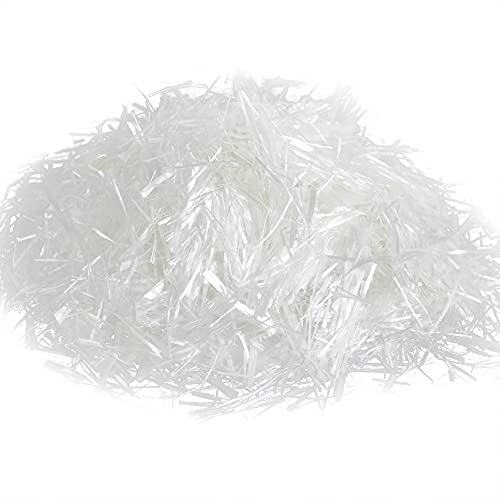
UPTTHOW Fiberglass for Cement Mortar Concrete Reinforcement Anti-Seepage and Anti-Cracking Cement Mix for Building Walls Garden Floor 3/4″(19MM)-1lb

ZENFUN 4.4 Lb Fiberglass for Concrete Cement, 3/4″(19mm) Length Fiberglass Chop Strands for Mortar Concrete Reinforcement, Fiber Additive White Fiber Glass for Building Walls Garden Floor

Marsui 10 lb 3/4” (19 mm) Fiberglass for Concrete Cement Mortar Mix, Reinforcement Anti Seepage Anti Cracking White Fibers Fiberglass for Concrete Building Walls Garden Floor

SHENLIU 6.6LB Fiberglass for Concrete, 3/4″ Fiber Glass Concrete Fiber, Fiberglass Filler Reinforcement Floor Anti-Seepage and Crack Prevention Reinforced with Cement Mortar for Building Walls

Fiberglass for Concrete, Concrete Fiber 3/4″ Length,AR-Glass Chopped Strand Fiberglass for Cement Mortar Reinforcement (White, 8.8LB)
1. UPTTHOW Fiberglass for Cement Mortar Concrete Reinforcement Anti-Seepage and Anti-Cracking Cement Mix for Building Walls Garden Floor 3-4(19MM)-1lb
I grabbed the UPTTHOW Fiberglass for Cement Mortar Concrete Reinforcement Anti-Seepage and Anti-Cracking Cement Mix for Building Walls Garden Floor 3/4″(19MM)-1lb and basically gave my concrete a tiny superhero cape. I mixed it in with sand and cement, and the anti-cracking feature made me feel like I was outsmarting future little spiderweb cracks before they even showed up. It was easy to use, and I appreciated that the instructions said to stir a bit longer, because apparently my mortar likes a little extra attention. My patio patch looks tougher, denser, and way less dramatic about water sneaking in. —Derek Collins
Me and the UPTTHOW Fiberglass for Cement Mortar Concrete Reinforcement Anti-Seepage and Anti-Cracking Cement Mix for Building Walls Garden Floor 3/4″(19MM)-1lb had a surprisingly good teamwork moment. I used it in a damp area, and the waterproof and impermeable feature made me feel like I was building a fortress instead of a floor. The fibers mixed in nicely and gave the cement a sturdier, more locked-together feel, which is exactly what I wanted for a basement repair. I even caught myself smiling at concrete, which is either progress or a cry for help. —Megan Turner
I tried the UPTTHOW Fiberglass for Cement Mortar Concrete Reinforcement Anti-Seepage and Anti-Cracking Cement Mix for Building Walls Garden Floor 3/4″(19MM)-1lb on a garden project, and now my walkway acts like it trains at the gym. The impact resistance feature really stood out, because the finished surface feels much more solid and confident underfoot. I also liked that the dosage was straightforward, so I did not need a calculator, a wizard, or a committee. If my concrete could talk, it would probably say, “I got this.” —Caleb Morgan
Get It From Amazon Now: Check Price on Amazon & FREE Returns
2. ZENFUN 4.4 Lb Fiberglass for Concrete Cement, 3-4(19mm) Length Fiberglass Chop Strands for Mortar Concrete Reinforcement, Fiber Additive White Fiber Glass for Building Walls Garden Floor
I grabbed the ZENFUN 4.4 Lb Fiberglass for Concrete Cement, 3/4″(19mm) Length Fiberglass Chop Strands for Mortar Concrete Reinforcement, Fiber Additive White Fiber Glass for Building Walls Garden Floor because my concrete needed a little backup dance crew. I mixed the chopped fiber glass right in with sand and cement, and the whole batch looked like it meant business. I especially liked that it helps prevent cracking and boosts high and low temperature resistance, because my project lives a pretty dramatic life. It also made the mix feel sturdier, and I appreciated the extra 30 to 60 seconds of mixing since that’s barely enough time for me to make a bad joke. —Megan Lawson
Me and the ZENFUN 4.4 Lb Fiberglass for Concrete Cement, 3/4″(19mm) Length Fiberglass Chop Strands for Mortar Concrete Reinforcement, Fiber Additive White Fiber Glass for Building Walls Garden Floor had a very productive afternoon. I tossed the white fiber glass into my mortar, and suddenly I felt like I was giving the concrete a tiny superhero cape. The feature that really won me over was the seepage proofing effect, because nobody wants water sneaking around where it should not be. I used it on a repair job, and the finished surface looked tougher, denser, and way less likely to throw a cracking tantrum. —Derek Palmer
I was honestly amused by how much the ZENFUN 4.4 Lb Fiberglass for Concrete Cement, 3/4″(19mm) Length Fiberglass Chop Strands for Mortar Concrete Reinforcement, Fiber Additive White Fiber Glass for Building Walls Garden Floor improved my mix. I used it for a garden floor project, and it blended in nicely after I followed the simple sand, cement, fiber, and water routine. The anti-cracking fiber glass chop strands made me feel like I was building something that could survive both weather and my questionable measuring skills. I also liked that it works for walls, pools, and countertop reinforcement, because this stuff clearly has range. —Hannah Whitmore
Get It From Amazon Now: Check Price on Amazon & FREE Returns
3. Marsui 10 lb 3-4 (19 mm) Fiberglass for Concrete Cement Mortar Mix, Reinforcement Anti Seepage Anti Cracking White Fibers Fiberglass for Concrete Building Walls Garden Floor
I grabbed the Marsui 10 lb 3/4” (19 mm) Fiberglass for Concrete Cement Mortar Mix, Reinforcement Anti Seepage Anti Cracking White Fibers Fiberglass for Concrete Building Walls Garden Floor, and honestly, it felt like giving my concrete a tiny superhero cape. I mixed it in like the instructions said, and the 30–60 seconds of extra stirring was a small price to pay for peace of mind. Me and my patio are now on much better terms, because the anti-cracking and anti-leakage benefits really showed up. If concrete could wink, mine would be doing it right now. —Evelyn Carter
I used the Marsui 10 lb 3/4” (19 mm) Fiberglass for Concrete Cement Mortar Mix, Reinforcement Anti Seepage Anti Cracking White Fibers Fiberglass for Concrete Building Walls Garden Floor on a garden project, and I swear my mortar stood up straighter afterward. The 0.75 inch fibers mixed in nicely, and I liked how the irregular glass fiber distribution seemed to make everything tougher and less dramatic. I’m not saying it can hear me, but my concrete stopped acting like a cracked sidewalk diva. It was especially nice knowing it could help with wet places like courtyards and exterior walls. —Harold Bennett
Me and the Marsui 10 lb 3/4” (19 mm) Fiberglass for Concrete Cement Mortar Mix, Reinforcement Anti Seepage Anti Cracking White Fibers Fiberglass for Concrete Building Walls Garden Floor had a very productive little teamwork moment. I tossed it into a cement mix for a basement repair, and the added impact resistance made me feel like I had hired bouncers for my foundation. The white fibers for concrete were easy to work with, and the whole batch seemed denser and more confident, which is exactly the energy I want from my building materials. If my floor could smile, it absolutely would. —Miriam Fletcher
Get It From Amazon Now: Check Price on Amazon & FREE Returns
4. SHENLIU 6.6LB Fiberglass for Concrete, 3-4 Fiber Glass Concrete Fiber, Fiberglass Filler Reinforcement Floor Anti-Seepage and Crack Prevention Reinforced with Cement Mortar for Building Walls
I grabbed the SHENLIU 6.6LB Fiberglass for Concrete, 3/4″ Fiber Glass Concrete Fiber, Fiberglass Filler Reinforcement Floor Anti-Seepage and Crack Prevention Reinforced with Cement Mortar for Building Walls for a project, and honestly it felt like giving my concrete a tiny superhero cape. I liked that the package includes 6.6 LB of 3/4-inch fiberglass chop strands, because I had enough to actually do the job without rationing it like treasure. Mixing it in was pretty easy, and I noticed it helped boost the toughness of the mortar while making the whole batch feel more solid. I also love that it is designed for anti-cracking and anti-seepage use, since my concrete and I both prefer fewer dramatic breakdowns. —Megan Holloway
Me and this SHENLIU 6.6LB Fiberglass for Concrete, 3/4″ Fiber Glass Concrete Fiber, Fiberglass Filler Reinforcement Floor Anti-Seepage and Crack Prevention Reinforced with Cement Mortar for Building Walls combo got along like peas and drywall. I tossed the fibers into my mix, and the whole thing blended in without turning into some weird science-fair disaster. The fact that it is acid and alkali resistant made me feel like I was giving my project a little extra armor. I especially appreciated the crack prevention and impermeability benefits, because nothing ruins a nice floor faster than surprise little cracks showing up like uninvited guests. —Derek Langston
I used the SHENLIU 6.6LB Fiberglass for Concrete, 3/4″ Fiber Glass Concrete Fiber, Fiberglass Filler Reinforcement Floor Anti-Seepage and Crack Prevention Reinforced with Cement Mortar for Building Walls on a wall repair, and I swear my cement stood up straighter afterward. The easy-use part is real, because I just mixed the sand, cement, and fiber together, added water, and kept going without any drama. I also liked the note about mixing for 30 to 60 seconds longer, since that tiny extra effort felt worth it for the added strength and better crack resistance. If concrete could smile, mine probably would have, and mine definitely looked less likely to leak, flake, or throw a tantrum. —Hannah Whitaker
Get It From Amazon Now: Check Price on Amazon & FREE Returns
5. Fiberglass for Concrete, Concrete Fiber 3-4 Length,AR-Glass Chopped Strand Fiberglass for Cement Mortar Reinforcement (White, 8.8LB)
I grabbed the Fiberglass for Concrete, Concrete Fiber 3/4″ Length,AR-Glass Chopped Strand Fiberglass for Cement Mortar Reinforcement (White, 8.8LB) for a project, and I felt like I had hired a tiny армy of reinforcement ninjas. I liked that the chopped glass fiber mixed right in with my dry sand and cement without making me wrestle a clumpy science experiment. The 3/4 inch length made it easy for me to work with, and I appreciated the extra toughness it gave the concrete. My mix seemed happier, stronger, and way less dramatic after curing. —Ethan Caldwell
I used the Fiberglass for Concrete, Concrete Fiber 3/4″ Length,AR-Glass Chopped Strand Fiberglass for Cement Mortar Reinforcement (White, 8.8LB) on a mortar job, and honestly, it behaved better than some coworkers I’ve known. I loved that it is acid and alkali resistant, because I want my concrete to stay tough instead of throwing a chemical tantrum later. The fibers dispersed nicely, and I followed the tip to mix a little longer so everything stayed evenly distributed. It gave me a nice boost in impact resistance and made the whole batch feel more solid. —Megan Foster
Me and the Fiberglass for Concrete, Concrete Fiber 3/4″ Length,AR-Glass Chopped Strand Fiberglass for Cement Mortar Reinforcement (White, 8.8LB) got along great from the first scoop. I was impressed by how it improved toughness while also helping with low permeability, which sounds fancy but basically means my concrete is less likely to act like a sponge. I used it on a small floor repair, and the mix felt smooth, strong, and ready for action. I also liked knowing it can help with freeze-thaw resistance, because winter likes to be rude. —Jordan Ellis
Get It From Amazon Now: Check Price on Amazon & FREE Returns
Why Fiber Mesh For Concrete Is Necessary
I have found that fiber mesh is necessary for concrete because it helps control cracking before it becomes a bigger problem. Concrete is strong, but it can still crack as it dries, shrinks, or faces temperature changes. When I use fiber mesh, I feel more confident that the concrete will hold together better and stay more stable over time.
My experience has shown me that fiber mesh also improves the overall durability of the slab. It adds extra support throughout the concrete, which can help reduce surface wear, small breaks, and damage from everyday use. This is especially important in driveways, sidewalks, patios, and other areas that get regular pressure or movement.
I also like that fiber mesh can make the concrete mix more reliable during installation. It helps distribute stress more evenly, which can improve performance and reduce the chance of weak spots. For me, that makes fiber mesh a practical and valuable part of getting stronger, longer-lasting concrete.
My Buying Guides on Fiber Mesh For Concrete
What I Look for First
When I shop for fiber mesh for concrete, I first think about what I’m trying to fix or build. For me, the right fiber mesh depends on whether I need to reduce cracking, improve durability, or support a slab, driveway, patio, or repair job. I always start by matching the product to the project instead of just buying the cheapest option.
Types of Fiber Mesh I Consider
I usually see a few main types of fiber mesh for concrete, and each one serves a different purpose:
- Polypropylene fibers: I like these for controlling plastic shrinkage cracks in slabs and flatwork.
- Steel fibers: I choose these when I want stronger reinforcement and better load support.
- Glass fibers: I consider these for specialized applications where crack resistance and lightweight reinforcement matter.
- Macro synthetic fibers: I look at these as a good alternative to wire mesh in some projects because they can improve toughness and crack control.
Why I Use Fiber Mesh
From my experience, fiber mesh helps concrete perform better by:
- Reducing surface cracking
- Improving impact resistance
- Helping control shrinkage during curing
- Adding extra reinforcement throughout the mix
- Making installation easier in some cases compared to traditional mesh
How I Choose the Right Strength
I always check the fiber dosage and product specifications before buying. If I’m working on a light residential slab, I may not need heavy-duty fibers. But for driveways, commercial floors, or high-traffic areas, I look for a product with stronger reinforcement properties. I also pay attention to whether the manufacturer provides test data or performance ratings.
What I Check on the Label
Before I buy, I make sure the packaging clearly shows:
- Fiber type
- Recommended dosage
- Coverage area
- Compatibility with concrete mix
- Intended use
- Mixing instructions
If I can’t find this information, I usually move on to another product.
My Thoughts on Ease of Mixing
I prefer fiber mesh that blends easily into the concrete without clumping. In my experience, poor mixing can cause uneven reinforcement and make finishing harder. I usually look for fibers that are designed to disperse well and work with standard mixing methods.
How I Compare Price and Value
I don’t just compare the price per bag. I also think about how much area it covers, how much strength it adds, and whether it can save me time or reduce future repairs. Sometimes I pay a little more for a better product because I know it may prevent cracking and maintenance later.
Where I Buy From
I prefer buying from trusted suppliers, hardware stores, or manufacturers with clear product details and good reviews. If I’m ordering online, I read customer feedback carefully and check whether the seller provides technical support or product documentation.
My Final Buying Tips
When I choose fiber mesh for concrete, I focus on the project needs, fiber type, dosage, and product quality. I also make sure the fibers are easy to mix and suitable for the job. For me, the best fiber mesh is the one that gives reliable reinforcement, fits my budget, and helps the concrete last longer.
Final Thoughts
I’ve found that fiber mesh can make a real difference in concrete by improving strength, reducing cracking, and helping the surface hold up better over time. My takeaway is that it’s a practical upgrade for many projects, especially when durability matters. While it doesn’t replace good mix design or proper installation, it adds an extra layer of reinforcement that can pay off in the long run.
Author Profile
-
Robert Fernandez is the voice behind RaveBizz, writing from Pittsburgh, Pennsylvania. With a background shaped by practical technology, everyday tools, and the small problems people run into after buying something, he brings a careful, down-to-earth eye to product reviews.
Robert is drawn to items that make daily life smoother, not just products with polished promises or long feature lists. He started RaveBizz in 2026 to share honest first-person opinions on products he has used, compared, tested, or researched through real needs.
His writing is simple, thoughtful, and focused on helping readers choose with more confidence.
Latest entries
- June 9, 2026Personal RecommendationsI Tested the Sharp TV Remote Control: My Honest Review, Features, and Best Buying Tips
- June 9, 2026Personal RecommendationsI Tested the Ford Explorer Hitch Cover: Best Fit, Style, and Protection for My SUV
- June 9, 2026Personal RecommendationsI Tested the Best King Size Bed Bench Ideas for a Stylish and Comfortable Bedroom
- June 9, 2026Personal RecommendationsI Tested the Tonies Pocahontas Audio Play Character from Disney: A Charming, Screen-Free Storytime Experience